The Silent Destroyers of Oriental & Persian Rugs
Rug moths are the silent destroyers of Persian, Oriental, and wool rugs. Unlike clothes moths that nibble on garments, rug moths burrow deep into the fibers, leaving bare patches, thinning areas, and holes that worsen quickly. At Ahmadi Rug, we specialize in museum-grade rug moth treatment and restoration for families, collectors, and designers across Chicago & the North Shore — protecting heirlooms before it’s too late.
Rug Moth Types & Risks: From Hidden to Destructive
The right knowledge can save your rug before it’s too late. Here are the key types of rug moth threats, how they behave, and what to look out for.
Webbing Clothes Moths
Soft-bodied, golden-colored moths that lay eggs deep in rug fibers. Larvae spin silky webs as they feed, often hidden at rug bases.
Casemaking Clothes Moths
Larvae carry a small case (like a cocoon) while eating through wool. Damage appears in scattered patches or trails across the rug.
Moth Larvae (The True Destroyers)
Small, white caterpillar-like forms that consume wool and silk. Responsible for threadbare patches, holes, and crumbling edges.
Egg Clusters
Almost invisible to the eye, laid in dark corners or under furniture. Can hatch within days, starting a fresh infestation cycle.
Frass & Webbing Residue
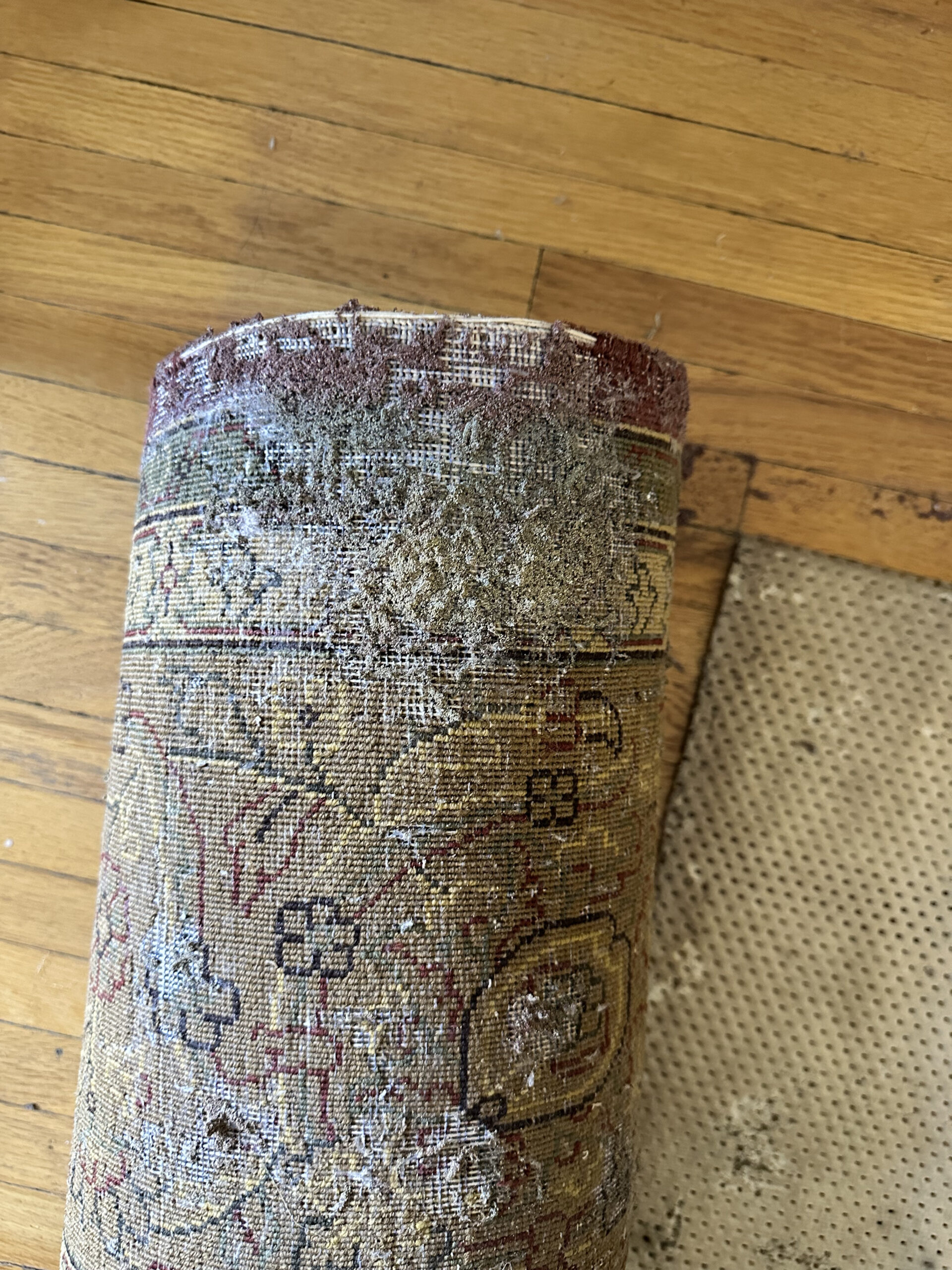
Sand-like droppings and fine silk strands at the base of the rug — early warning signs that moths are active and feeding.
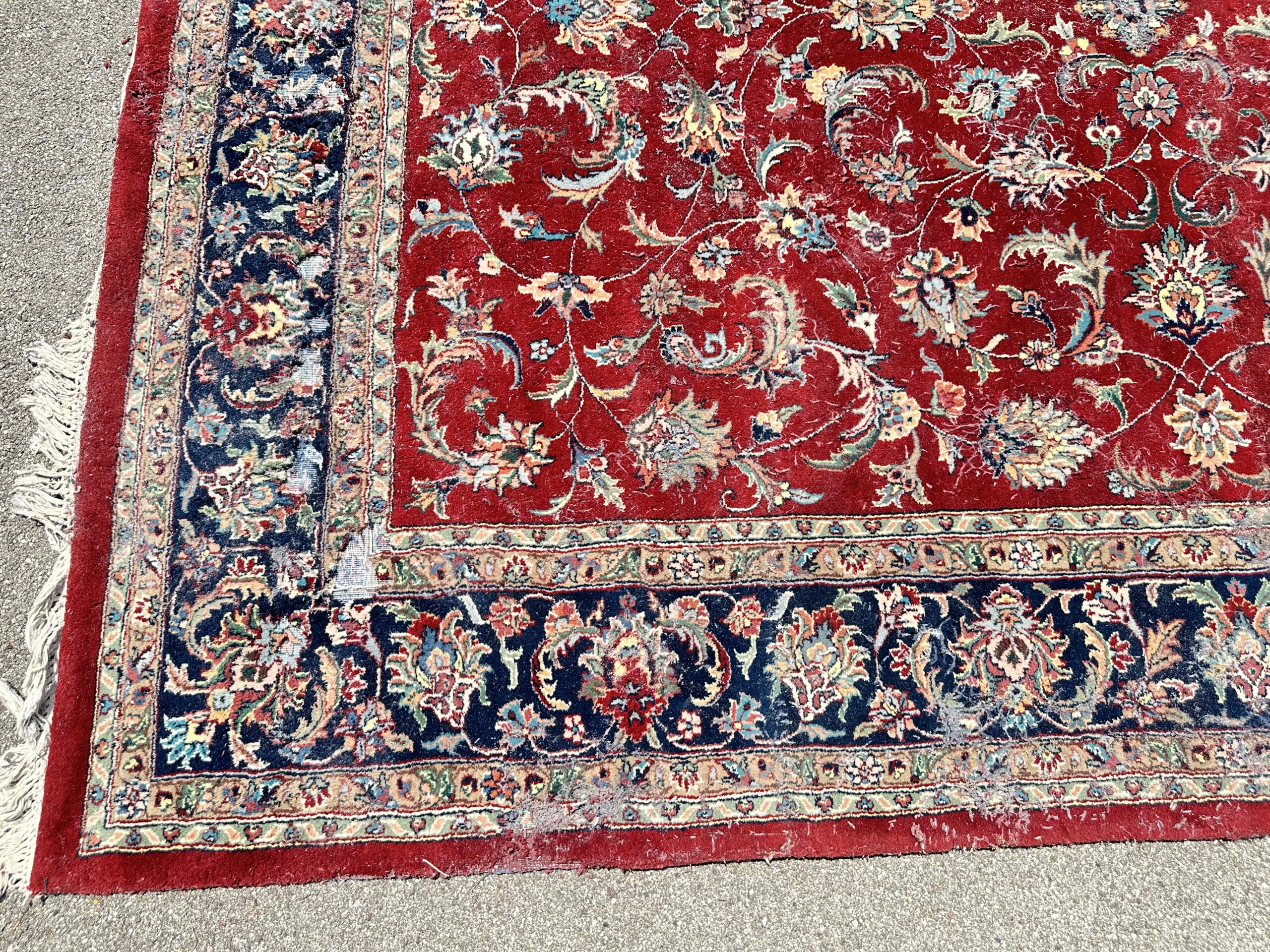
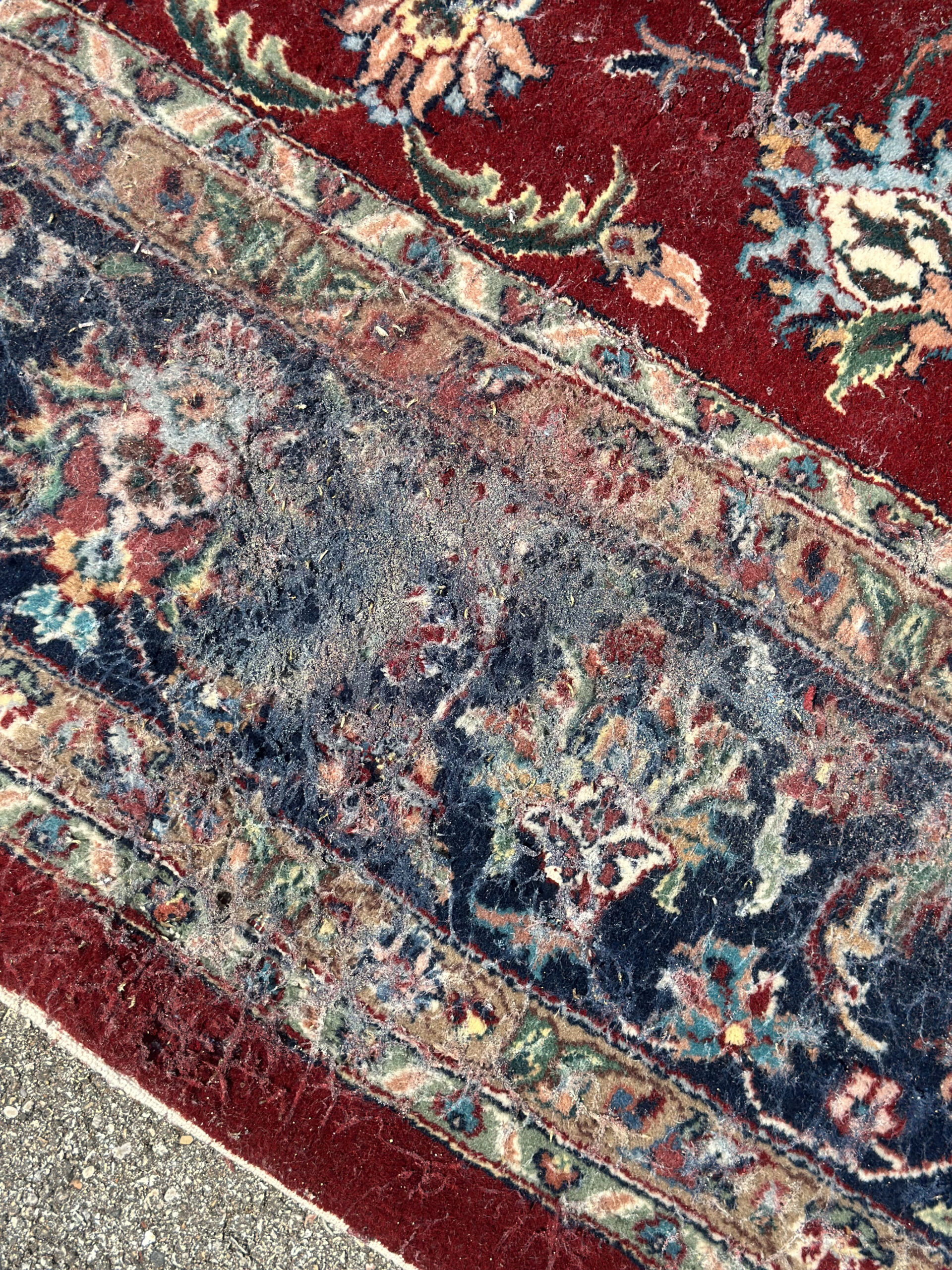
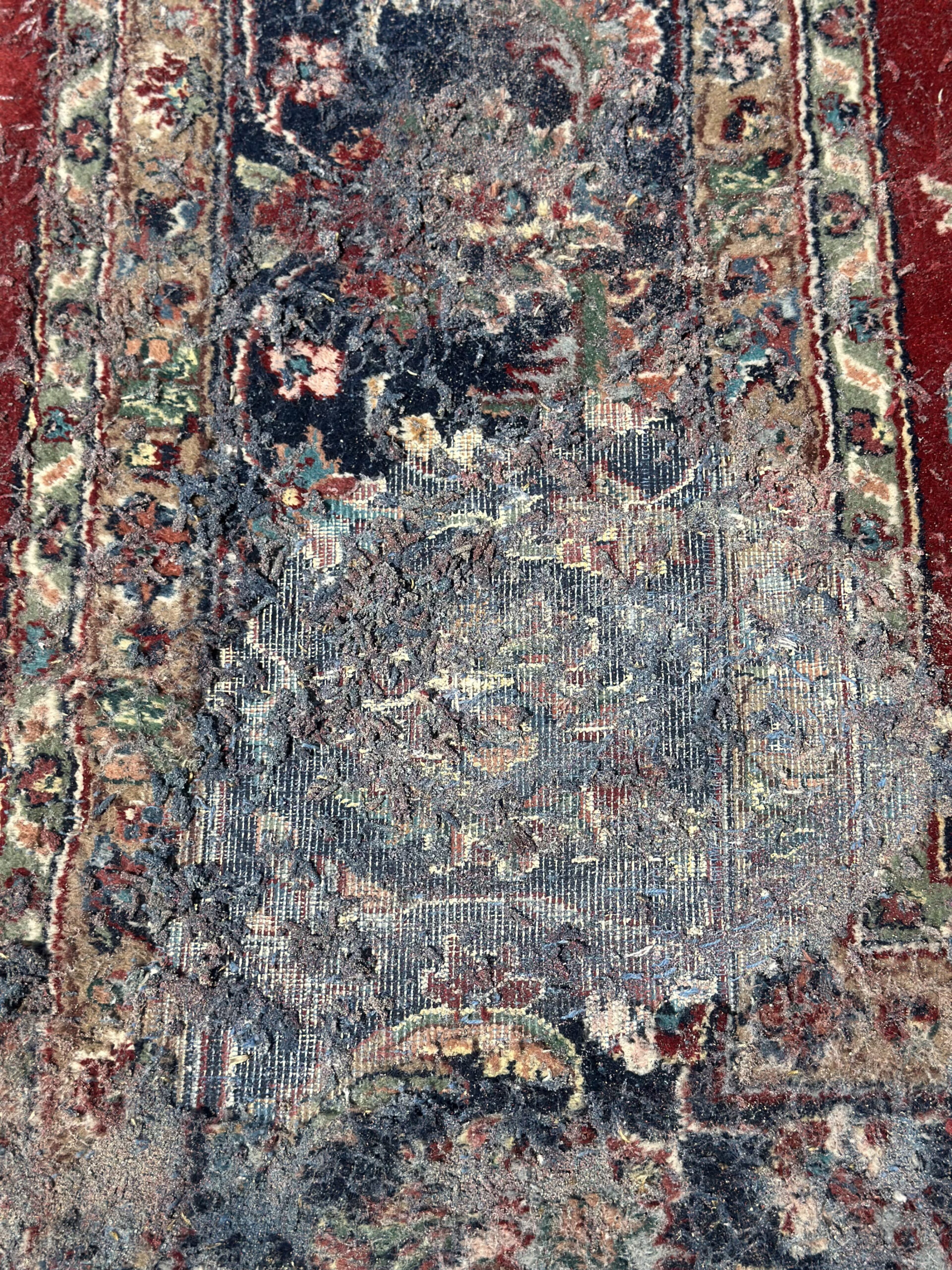
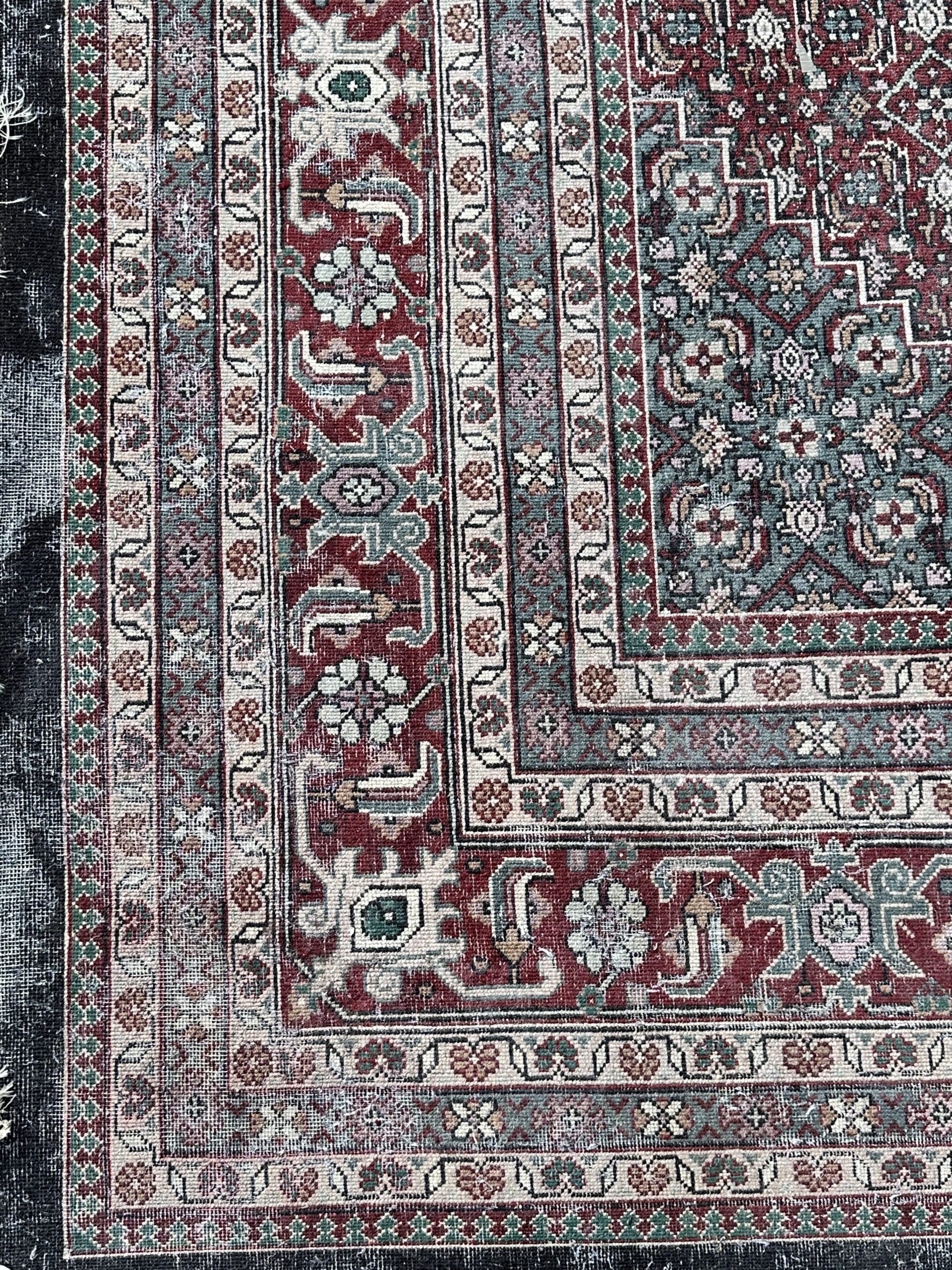
Moth-Damaged Rugs
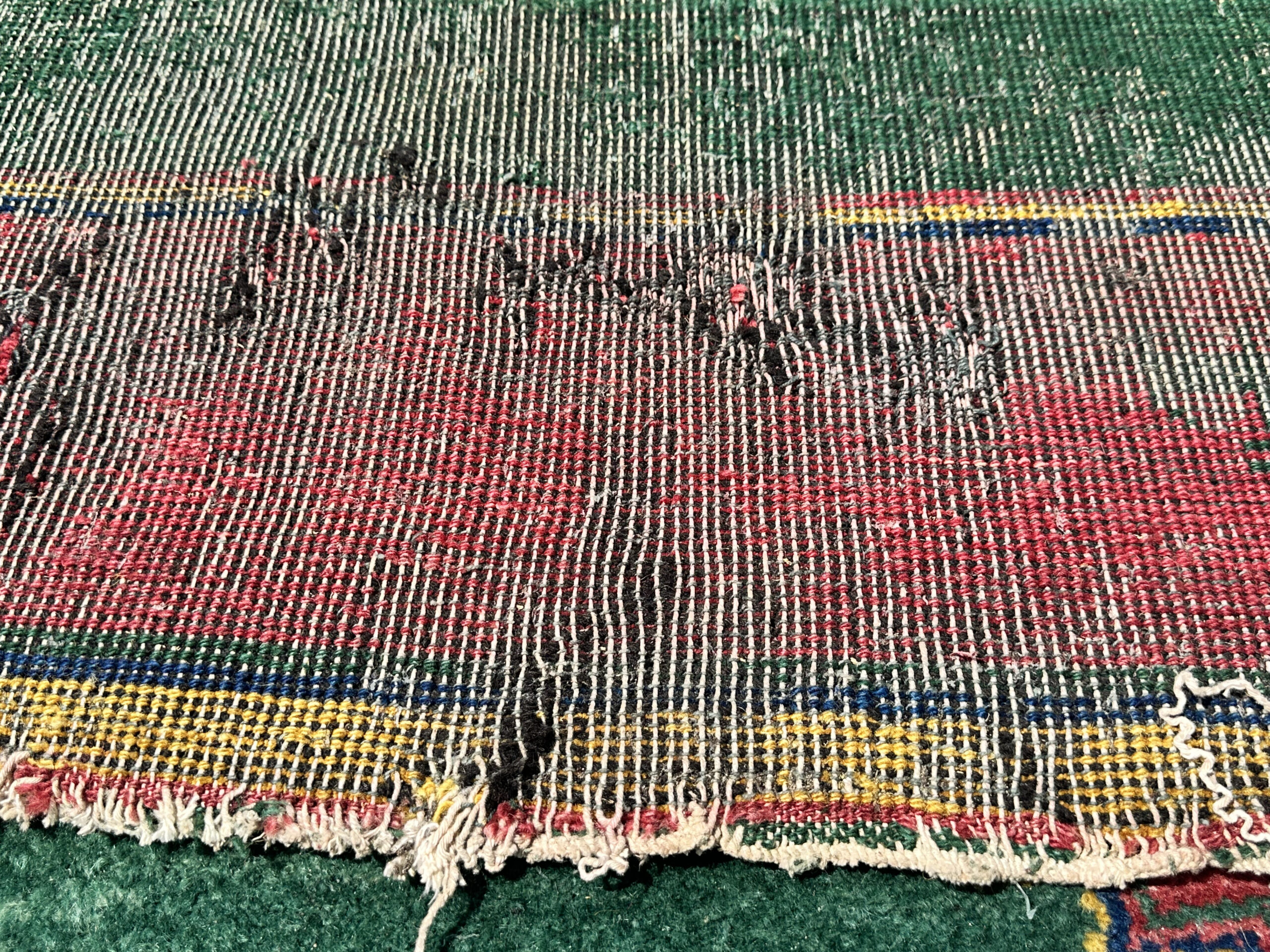
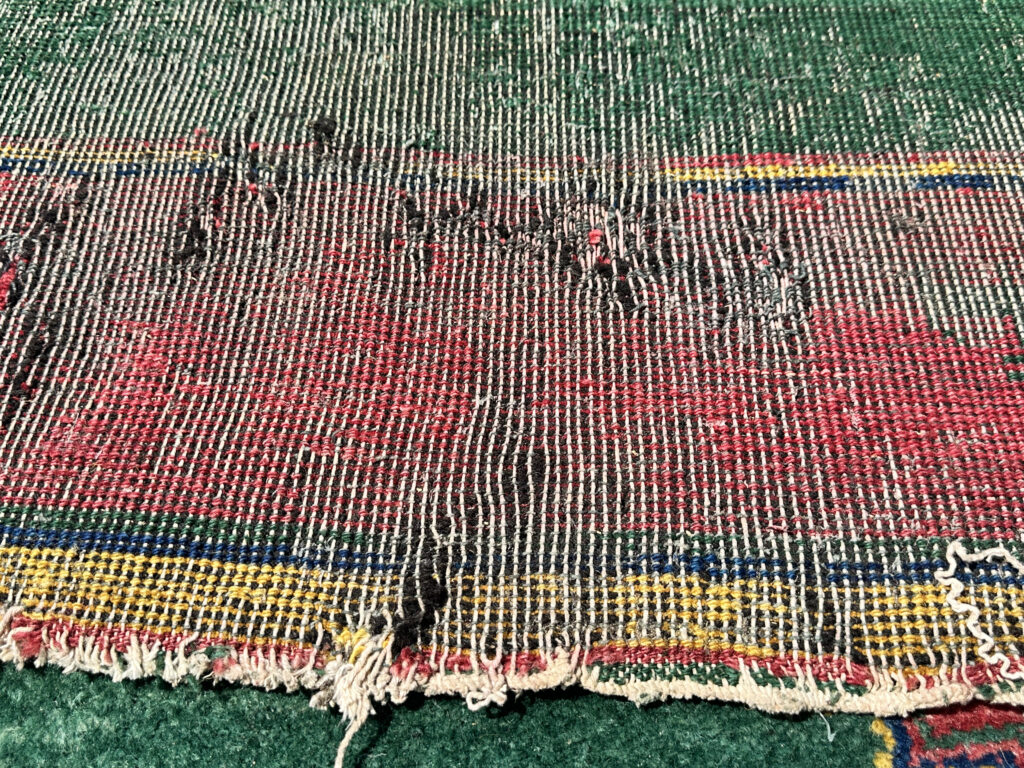
Bare spots, uneven fading, and fragile foundation threads. Advanced damage can spread fast if left untreated.
Rug Materials
What Are Rug Moths?
Short definition: Rug moths are typically casemaking clothes moths (Tinea pellionella) or webbing clothes moths (Tineola bisselliella) that thrive in undisturbed, wool-rich textiles.
The Rug Moth Lifecycle
- Eggs: Laid in dark rug fibers.
- Larvae: The actual culprits — they eat wool, silk, and keratin-rich fibers.
- Adults: Harmless, but proof an infestation is underway.
Why Do Moths Attack Rugs?
- Natural fibers: wool, silk, cashmere.
- Dark & undisturbed areas: rugs under couches, beds, storage.
- Food sources: sweat, food spills, pet dander (moths prefer “dirty” wool).
How to Identify Rug Moth Damage
- Threadbare spots and missing pile.
- Small, irregular holes.
- Loose, crumbling edges.
- Silken webbing or cocoons hidden at the rug’s base.
Early Warning Clues
- Fine sand-like dust (moth frass).
- Faded patches under furniture.
- Adult moths fluttering in dark corners.